
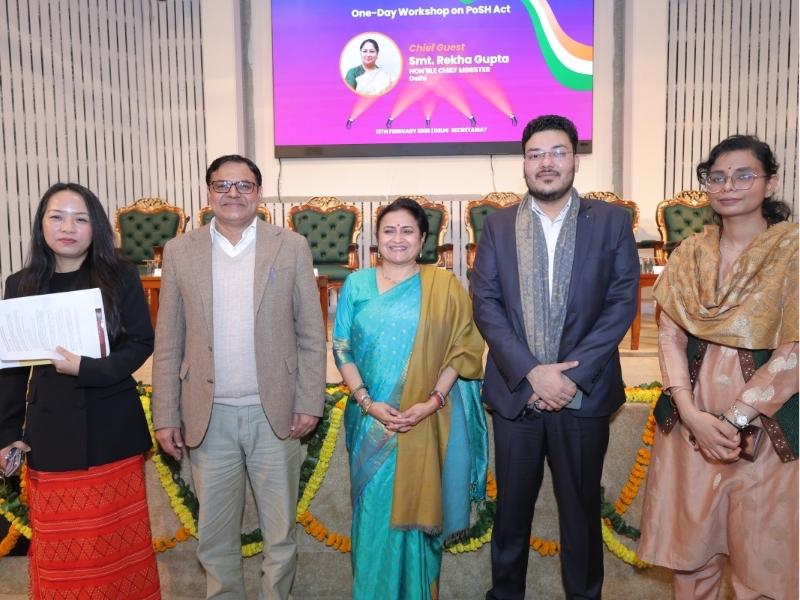
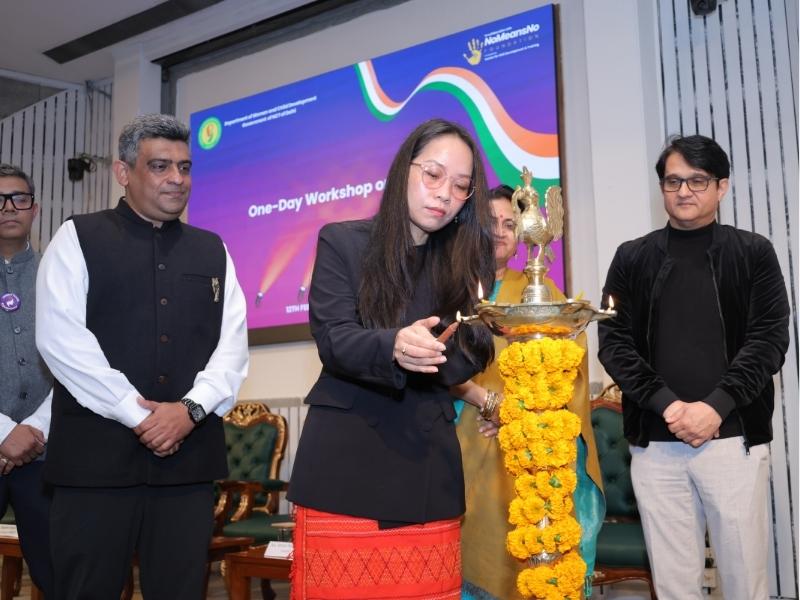
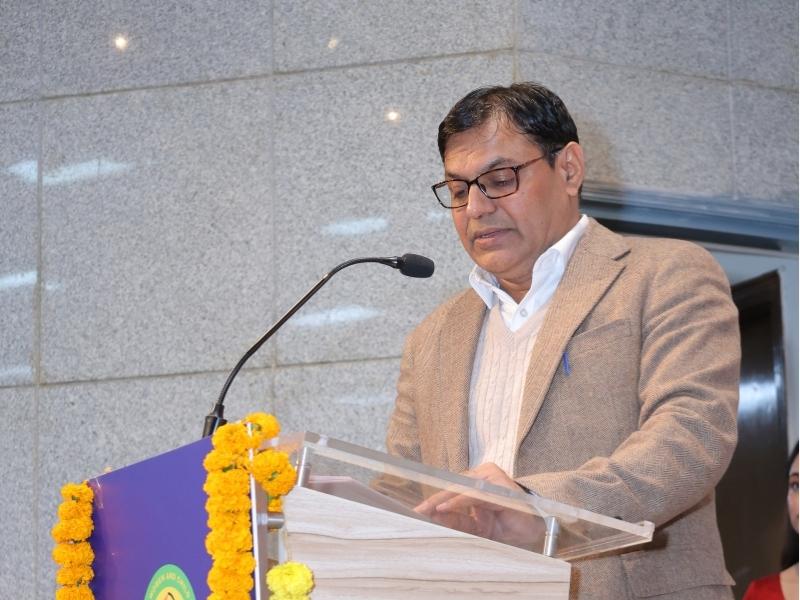
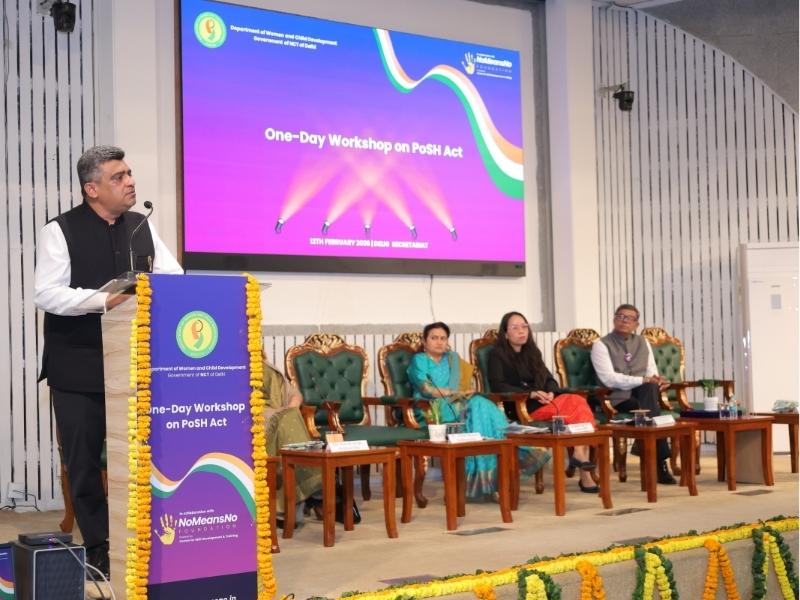
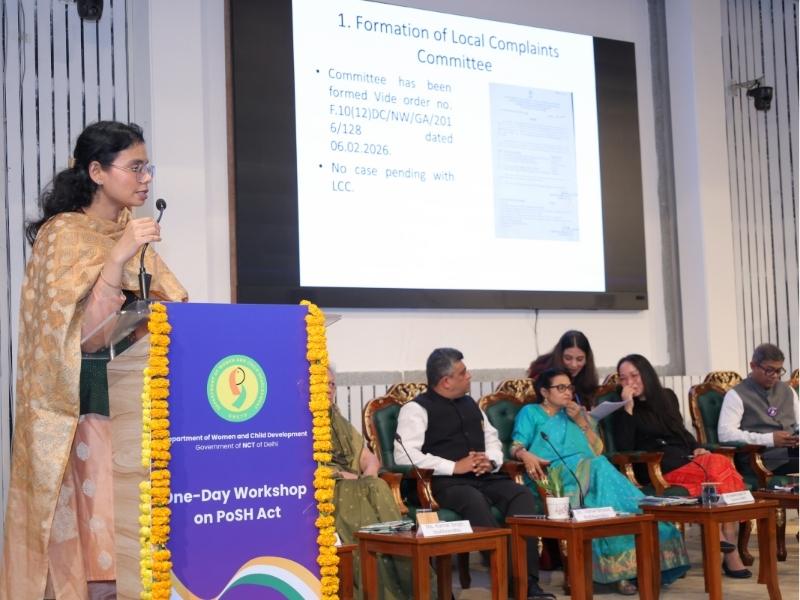
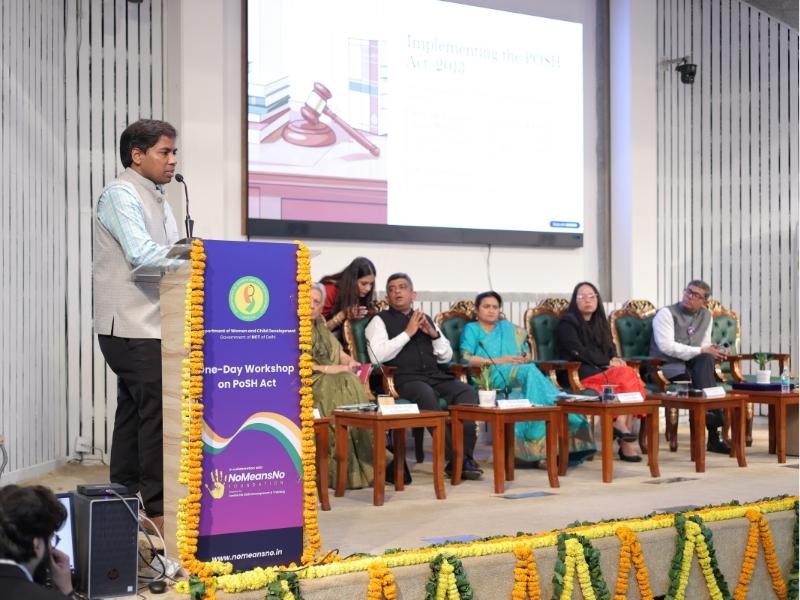
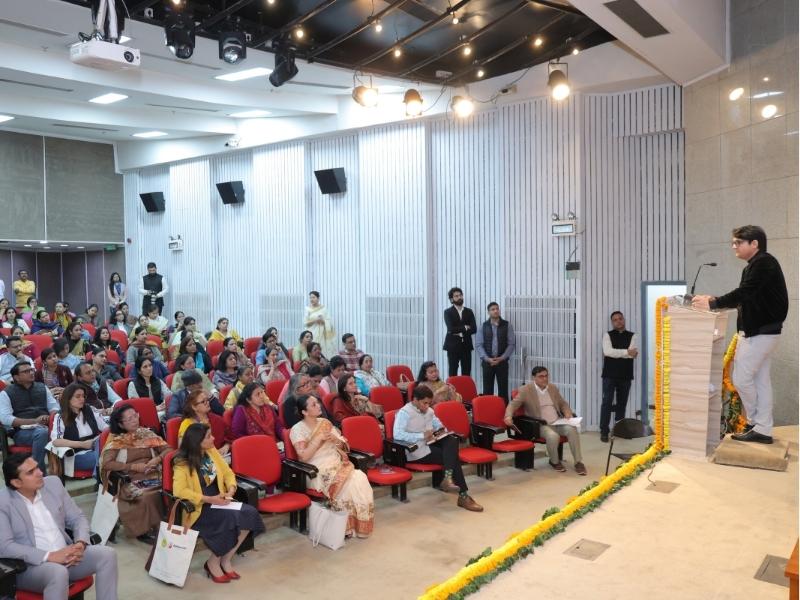
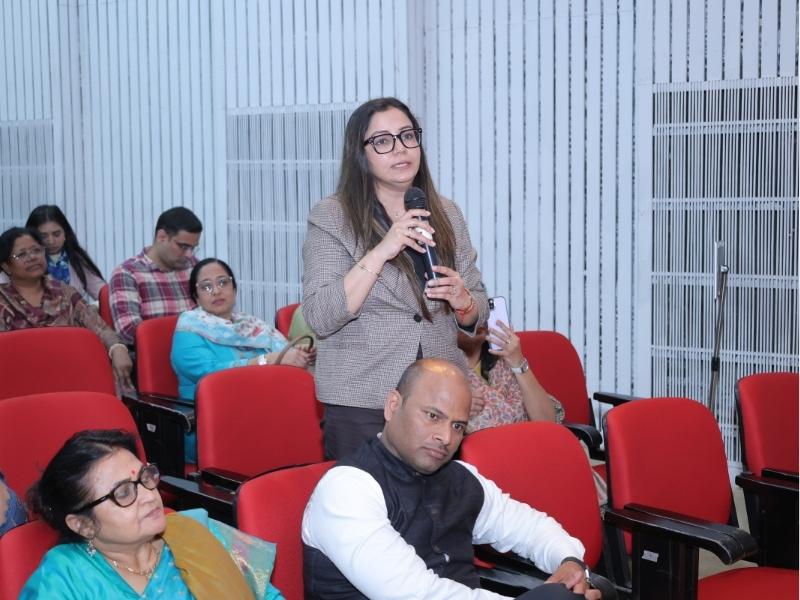
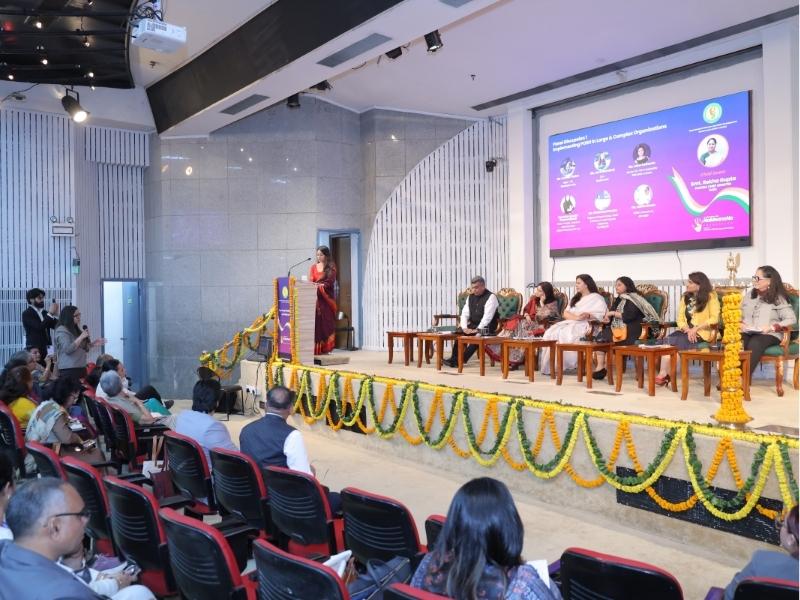
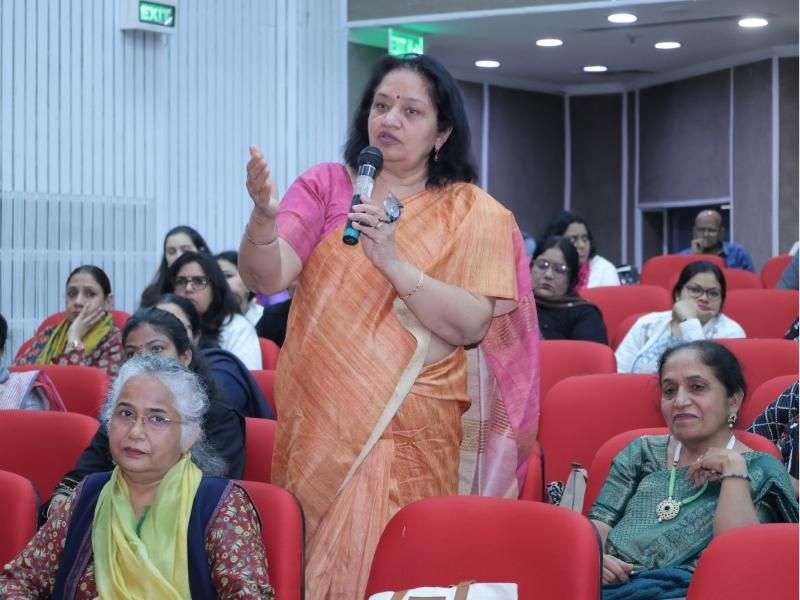
Creating safe and dignified workplaces requires more than policy frameworks, it demands awareness, institutional accountability, and consistent implementation. Reinforcing this commitment, the Department of Women & Child Development (DWCD), Government of the National Capital Territory (GNCT) of Delhi, in collaboration with the NoMeansNo Foundation, organised a Comprehensive Awareness Session on the Prevention of Sexual Harassment (POSH) Act, 2013 at the Delhi Secretariat on February 12, 2026.
The programme brought together senior government leadership, district administrations, Local Committee members, welfare officers, employers, compliance professionals, and legal experts from across Delhi and the NCR region, strengthening collective efforts toward workplace safety and statutory compliance.







Advancing the Purpose of the POSH Act, 2013
The Prevention of Sexual Harassment at Workplace Act, 2013 is not merely a compliance requirement but a legislative commitment to equality, dignity, and justice at work. The awareness session focused on moving institutions beyond basic awareness toward measurable accountability and operational clarity.
Positioned within the broader framework of social impact and workplace safety awareness, the initiative reflected Delhi’s resolve to align statutory intent with institutional responsibility while strengthening governance across the National Capital Region.
Key objectives of the awareness session included:
- Strengthening POSH compliance in Delhi NCR
- Enhancing awareness of statutory duties under the POSH Act
- Clarifying roles of District Officers, Employers, and Internal Committees (ICs)
- Promoting consistency in complaint handling and inquiry processes
- Encouraging effective use of SHe-Box for monitoring and reporting
- Building institutional capacity through awareness-driven interventions


Release of the POSH Handbook
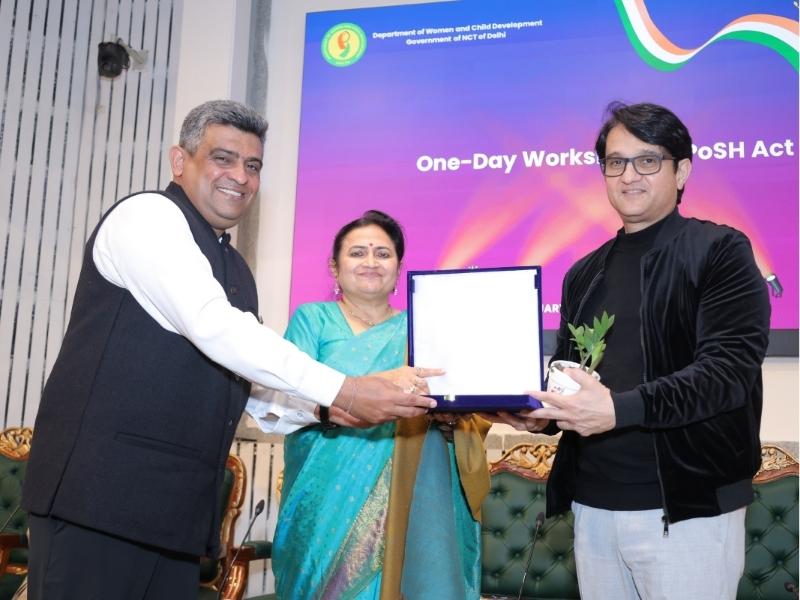
A major highlight of the programme was the launch of the POSH Handbook, jointly developed by DWCD and the NoMeansNo Foundation. Designed as a practical implementation guide, the handbook supports District Officers, Local Committees, employers, and institutions in translating legal provisions into actionable workplace practices.
The handbook integrates:
- Statutory provisions of the POSH Act
- Judicial guidance and interpretations
- Operational procedures for inquiries
- Compliance best practices for organisations across Delhi NCR
By bridging legal intent with real-world execution, the handbook strengthens institutional alignment with the evolving expectations of the POSH Authority in India, ensuring uniform implementation standards.
Leadership Dialogue on Relevance of POSH Law
Opening discussions emphasised the continued relevance of the POSH Act in modern workplaces where organisational culture, governance systems, and leadership accountability intersect.
Government establishments in Delhi were highlighted as critical drivers of systemic change, capable of creating measurable social and awareness impact by modelling compliant and respectful workplace environments for both public and private sectors.


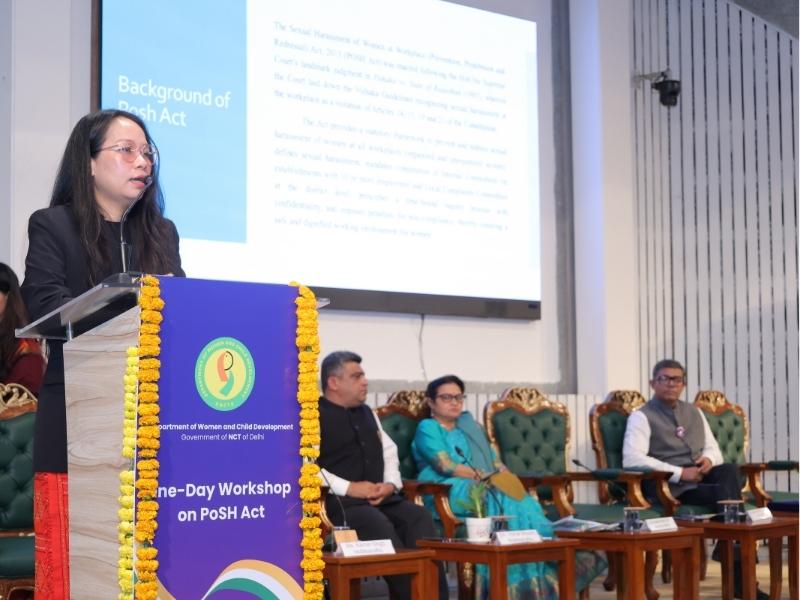
Compliance with Supreme Court Directions
A dedicated interactive session examined compliance with directions issued by the Hon’ble Supreme Court in the landmark Aureliano Fernandes vs. State of Goa & Others judgment. Discussions focused on:
- Survey of Government and Private Organizations
- Constitution and functioning of Internal Committees (ICs)
- Institutional accountability mechanisms
- District-level compliance monitoring across Delhi districts
District Magistrates presented district-wise compliance updates, demonstrating coordinated governance efforts across the National Capital Territory.
Legal Foundations and Institutional Responsibility
Technical sessions explored the constitutional foundations of workplace safety laws, reinforcing that the POSH Act derives its authority from principles of equality, dignity, and safe working conditions.
Participants examined how judicial interpretations continue shaping compliance expectations, strengthening India’s evolving ecosystem of workplace regulation and positioning institutions as responsible stakeholders under the broader POSH Authority framework in India.
Panel Discussions: Bridging Policy and Practice
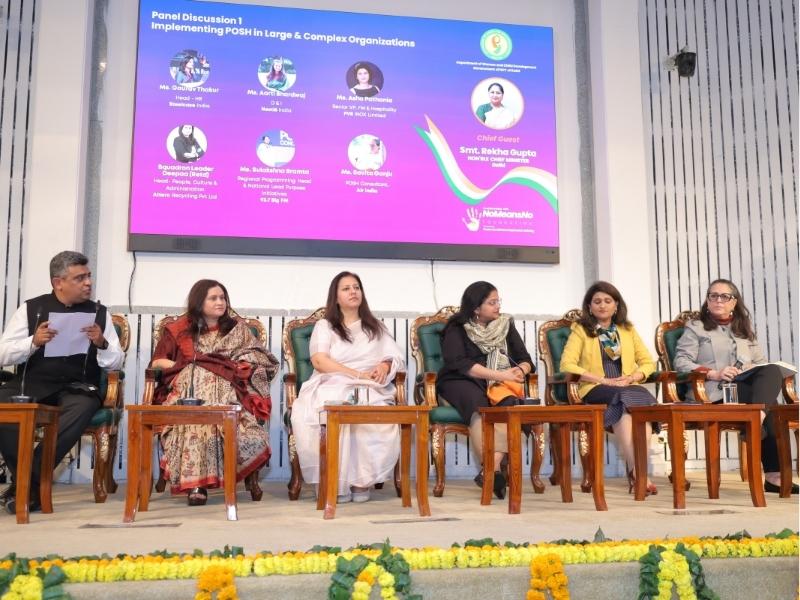
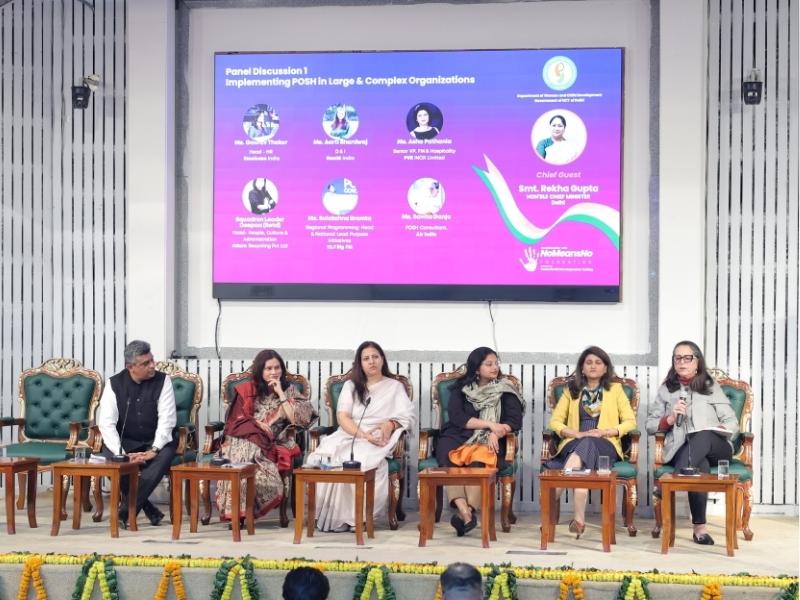
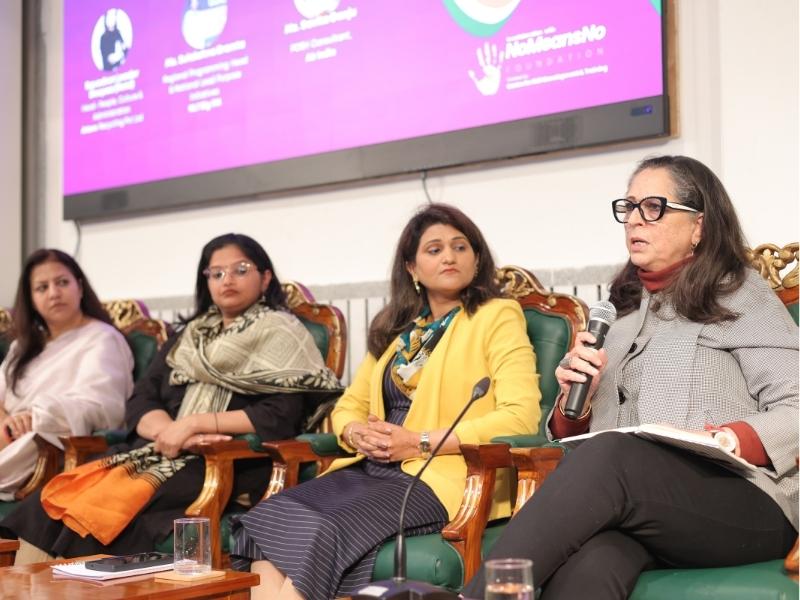
Two expert-led panel discussions addressed implementation challenges across industries operating in Delhi and NCR.
Implementing POSH in Large and Complex Organisations
Industry leaders discussed embedding POSH principles into organisational culture rather than limiting them to policy documentation. Themes included leadership accountability, behavioural change, and governance-driven workplace safety impact.
POSH Inquiries, Natural Justice & Legal Robustness
Legal and compliance experts examined inquiry integrity, focusing on:
- Principles of natural justice
- Appreciation and evaluation of evidence
- Neutral inquiry procedures
- Writing legally defensible inquiry reports
- Addressing cyber harassment and AI-enabled misconduct
- Managing digital evidence responsibly
The discussions reinforced that fair processes build institutional trust and credibility.
Roles, Powers, and Operational Clarity under the POSH Act
Post-lunch sessions addressed ambiguity in implementation by clarifying statutory responsibilities relating to:
- District Officers under the POSH Act
- Jurisdiction of Local Committees
- Employer obligations
- Authority and limitations of Internal Committees
Clear role definition was identified as essential for sustainable compliance across organisations in Delhi NCR.
Complaint Handling and Inquiry Process
Participants were guided through the lifecycle of a POSH complaint, covering complaint intake, admissibility, statutory timelines, confidentiality obligations, interim relief measures, and reporting standards.
The session emphasised balancing survivor-centric approaches with procedural fairness, ensuring legally defensible and ethically sound outcomes.
SHe-Box and Annual POSH Compliance
The final technical session focused on operational usage of SHe-Box and annual POSH reporting requirements, including:
- Registration of Nodal Officers and Internal Committee members
- Filing annual POSH returns
- Addressing procedural challenges
- Preparing institutions for compliance readiness



Driving Impact Through Collaboration
The collaboration between DWCD and the NoMeansNo Foundation reflects how pro bono initiatives and institutional partnerships can create meaningful social impact, awareness impact, and workplace safety outcomes at scale.
By working closely with government bodies, commissions, corporates, and institutions, the initiative contributes to strengthening compliance culture across Delhi and the wider NCR region.
As the programme concluded, one message remained central: POSH compliance is a continuous responsibility, not a one-time exercise. Through awareness, structured systems, and accountable leadership, Delhi continues to move toward becoming a benchmark for safe, inclusive, and dignified workplaces in India.
#NoMeansNo